
Department of Animal Science
Penn State’s home for the scientific study and innovation in the management and care of animals.
The Department of Animal Science is home to teaching, research, and extension programs focused on livestock, poultry, and companion animals. Students prepare for leadership roles in production agriculture, education, human and veterinary medicine, government, and more. Staff, faculty, and students explore animal reproduction, nutrition, health, marketing, and agribusiness.
Latest News


Upcoming Events

22nd Annual Penn State Equine Science Showcase and Quarter Horse Sale Preview
April 27, 2024
Snider Agricultural Arena

Automating pest monitoring with light and sound
April 30, 2024
106 AVBS
Evaluation of Corn Silage Quality and Its Effects on dairy cow performance
May 6, 2024
106 AVBS
Teaching
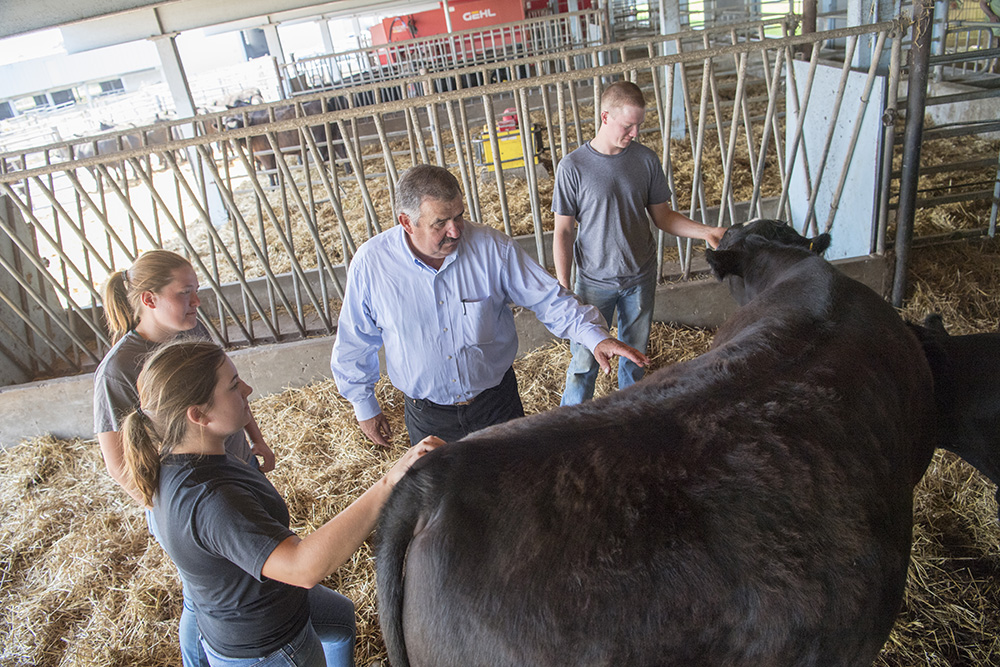
Animal Science academic programs integrate multiple scientific and management disciplines at the undergraduate, graduate, and doctoral levels. Instruction is hands on, industry focused, and grounded in research.

Research
Penn State is a Tier 1 Research University. Everyone from first-year students to doctoral candidates can participate in meaningful research focused on optimizing animal health, welfare, and performance.

Extension and Outreach
Extension connects the resources of the Department of Animal Science with community members, industry, and institutions in Pennsylvania and beyond by offering the latest research-based, usable information.
Farms and Facilities
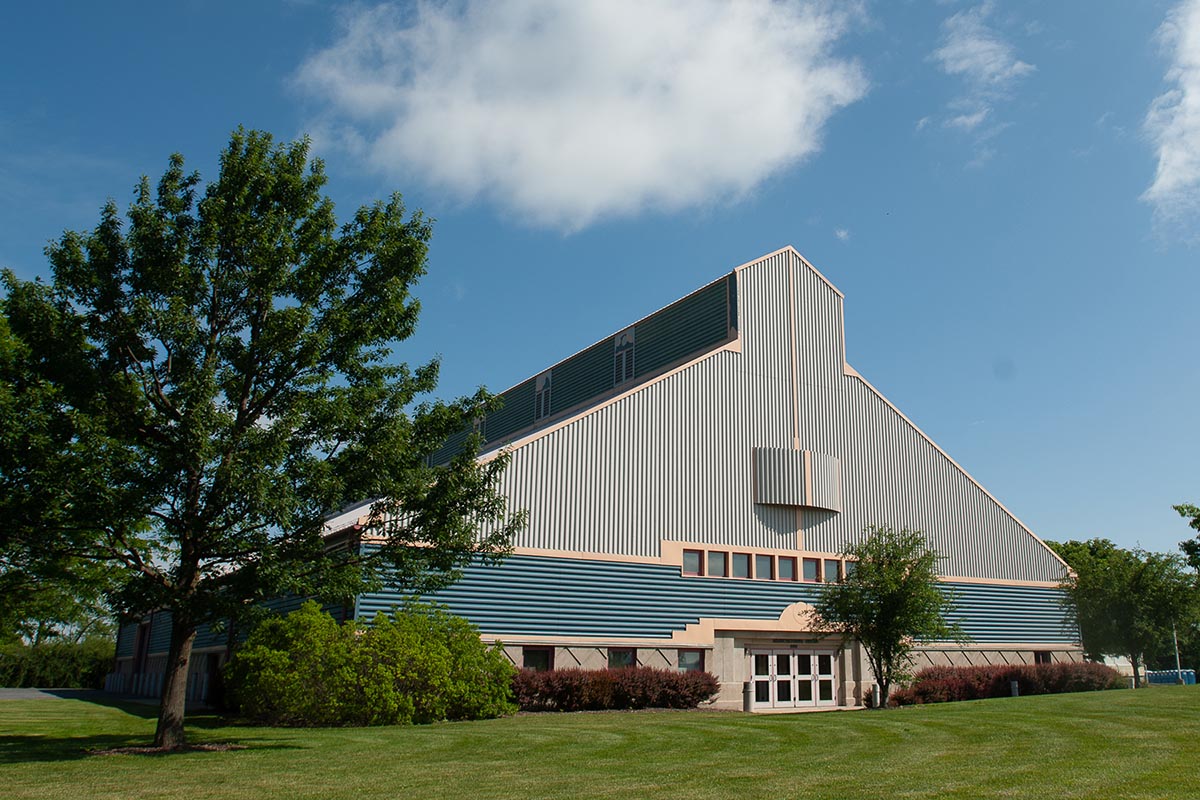
The College of Agricultural Sciences dedicates incredible resources to animal facilities. Sheep, beef, dairy, swine, poultry, and other barns are just steps from the center of campus.
